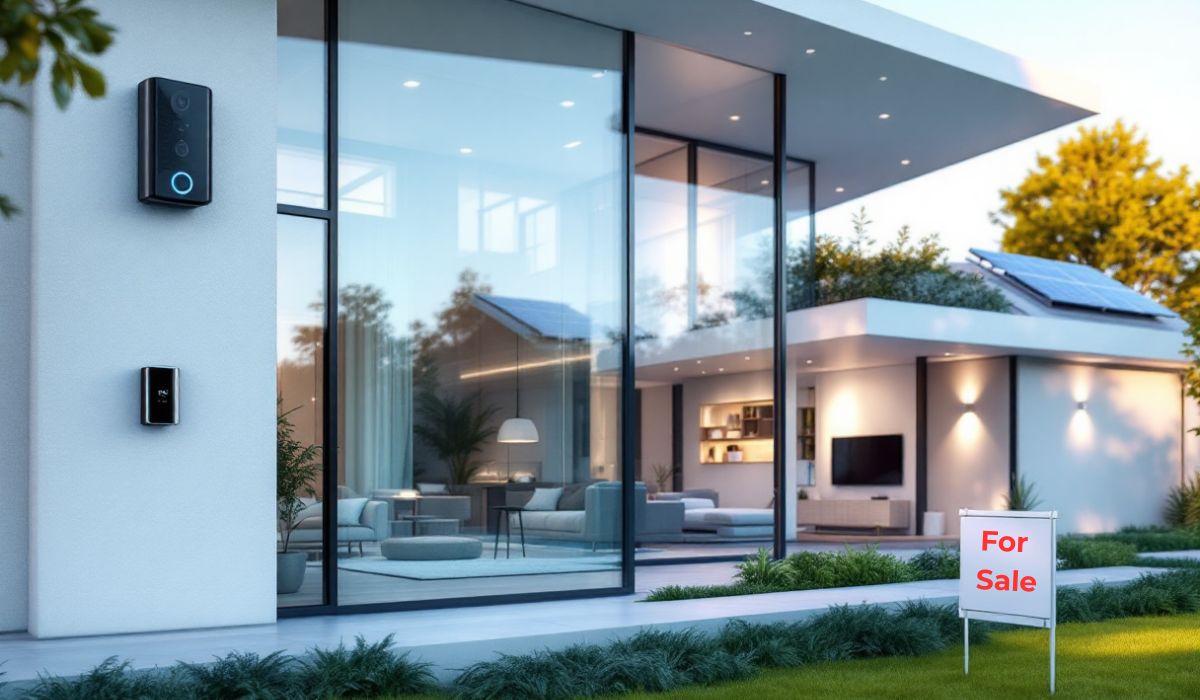
Smart Home for Sale: What Buyers Need to Know in 2025
A decade ago, a “smart home” sounded like something from a sci-fi movie. Today, it’s a key selling point on real estate listings across the globe. From voice-controlled lighting to AI-powered security systems, smart technology is rapidly becoming a staple in modern homes.
If you’re searching for a smart home for sale, here’s what you should keep your eye out for to shop wisely in a tech-driven housing market.
The Rise of Smart Homes in Real Estate
In 2025, nearly 60% of newly listed properties in urban and suburban markets feature some form of smart tech integration. It’s not just about convenience anymore. These features now appeal to homebuyers looking for efficiency, security, and long-term cost savings.
The real estate industry has taken note. Listings that highlight smart features tend to receive more inquiries and close faster. In competitive markets like Austin, San Francisco, and Seattle, properties labeled as “smart-enabled” can command up to 10% higher sale prices compared to traditional homes.
Beyond resale value, there’s also growing appeal among younger buyers. Millennials and Gen Z shoppers, now dominating first-time home purchases, are digitally native and prioritize connectivity. They’re drawn to homes that mirror their app-centric lifestyles and give them control over daily tasks, from adjusting temperature to checking who’s at the front door.
Read more: Smartwatches that maybe perfect gift this mother’s day for both you & your mother.
What Makes a Home “Smart”?
At its core, a smart home includes systems and appliances connected to the internet, enabling remote control, automation, and monitoring. To sum it up, what it offers to you is convenience. But not all smart homes are created equal. Some are fully integrated with a central hub and voice assistant, while others may just feature a few connected devices.
Here are some of the most common and desirable smart home features to look for:
- Smart Thermostats: Devices like the Google Nest Learning Thermostat learn your temperature preferences and adjust accordingly, saving energy and reducing utility costs.
- Smart Locks: With products like the August Wi-Fi Smart Lock, homeowners can grant or revoke access remotely, track entry logs, and ditch the traditional keys altogether.
- Video Doorbells: Models such as the Ring Video Doorbell Pro 2 offer real-time video, motion detection, and two-way audio to keep you informed and protected.
- Smart Lighting Systems: Philips Hue Bulbs allow users to control ambiance, schedule lighting routines, and even sync lights to music or movies.
- Voice Assistants and Hubs: Amazon Echo devices and Google Nest Hubs act as command centers, letting you control everything from appliances to security using just your voice.
This video while 2 years ago has stood test of times and is still relevant today if you want to learn from real-life success (& failures)
When evaluating a home, consider whether these devices are standalone or part of a well-connected ecosystem. You may want to individually inspect each of the devices. True smart homes offer seamless integration across multiple functions, creating a more intuitive living experience.
What to Look for When Buying a Smart Home
Buying a home equipped with smart tech offers a unique experience but it is important to understand nitty-gritty before you sign yourself up for it. Here’s what you should keep in mind before making the leap:
- Ownership and Device Transfer
Make sure that all included smart devices will transfer with the home. Many devices are tied to the seller’s personal accounts and will require factory resets. Ask whether the homeowner will provide manuals, reset credentials, or assist with transferring access to ensure a smooth transition. You don’t want your ring camera authority to still lie with the realtor or in some cases, previous owners.
- Compatibility with Existing Tech
It’s important to know what ecosystem under which the home operates. A property designed around Apple HomeKit might not easily support your Amazon Alexa devices. Cross-platform compatibility is not as advanced yet. Ask for a device list to plan ahead.
- Security Protocols and Updates
Smart tech is only as good as its security. Look for homes with up-to-date firmware, encrypted routers, and device-level two-factor authentication. Check out the warranty and easily accessible points if any issues do arise..
- Energy Efficiency Reports
Few smart homes come with dashboards or downloadable data showing energy usage over time. Reviewing this information can help you understand the home’s efficiency and estimate your future utility bills. It’s also a great way to verify that the devices are being used effectively and saving you in long term.
- Internet Infrastructure
Since smart devices rely on Wi-Fi, the home’s connectivity is critical. Check if the property supports gigabit-speed broadband or mesh Wi-Fi systems. Dead zones or weak signals could limit the performance of connected tech, particularly for security cameras or smart TVs.
Should You Pay More for a Smart Home?
In most cases, yes—but with caveats. A well-integrated smart home can offer thousands of dollars in long-term savings through energy management, enhanced security, and maintenance alerts. However, not every “smart” listing delivers equal value.
Be wary of homes that tout “smart features” without specifying what those include. A single smart speaker or a ring camera doesn’t qualify a home as fully smart-enabled. Compare listings carefully and consider how much the included devices would cost you to install yourself. For standalone basic setups, you might be better off customizing the home after purchase with affordable, easy-to-install devices. You’ll also be able to pick exactly the model & device you want.
Without a doubt, smart homes are only going to get smarter. For buyers, the key is staying informed. A smart home should feel like an upgrade, not a burden. With a bit of research, and possibly a few personal additions from your own tech arsenal, you’ll be ready to take full advantage of everything modern homeownership has to offer.
Want to bring smart living into your own home? Consider these devices to upgrade your house:
- Amazon Echo Dot (5th Gen) — Voice assistant and home control hub
- Kasa Smart Plug — Control appliances and lights from anywhere
- Google Nest Protect — Smart smoke and CO2 detector
- Eufy Indoor Cam 2K — AI-powered camera for enhanced security
About the Author: Aditi Sharma

Disclaimer
Techizta publishes content submitted by third-party agencies, partners, and clients. Any such posts are categorized and tagged accordingly:
- Sponsored Content: Posts labeled as "Sponsored" are paid placements submitted by third-party agencies or clients. Techizta does not endorse or express any views regarding the information contained in these posts. The opinions expressed belong solely to the respective authors and do not reflect the official policy or position of Techizta.
- Press Releases: Posts labeled as "Press Release" are paid PR submissions provided by our partners and clients. These are published as received and should be considered as promotional content.
The information provided in such posts is strictly for informational purposes only and should not be interpreted as buying recommendation, or professional advice. Techizta does not recommend, endorse, or promote any specific products, services, or companies mentioned. Readers are strongly encouraged to conduct independent research and consult with a qualified professional before making any decisions.
Additionally, all featured images accompanying such posts are intended as creative depictions of the subject matter. There is no intent to offend or misrepresent any individual, institution, or entity. If any content or imagery is found to be objectionable, please reach out to us at [email protected], and we will promptly review the concern.



Get Smart Insights In Inbox
Stay ahead of the curve with expert analysis and latest smart tech updates.