Xiaomi 15 Ultra Price: Is It Worth the Investment in 2025?
In 2025, the smartphone market is more competitive than ever, and the Xiaomi 15 Ultra is stepping into the ring with a bold price tag. But is it really worth the investment? As consumers, we need to look beyond just the numbers and consider what this phone offers in terms of features, performance, and overall value. This article will break down the dynamics of the Xiaomi 15 Ultra price and help you decide if it’s the right choice for you.
Key Takeaways
- Xiaomi positions the 15 Ultra as a premium option, competing with established brands like Apple and Samsung.
- The phone features cutting-edge camera technology and powerful performance, but its software experience has room for improvement.
- Market competition influences pricing strategies, making it essential for Xiaomi to justify its higher price point.
- Consumer expectations in the premium segment include brand loyalty and a desire for social validation through technology.
- Long-term value considerations, like resale potential and software updates, are crucial when investing in a high-end smartphone.
Understanding The Xiaomi 15 Ultra Price Dynamics
Market Positioning
Xiaomi has been working hard to get into the premium phone market. For a long time, they were known as the go-to brand for budget phones, especially under ₹25,000. That gave them a lot of recognition, but not in the high-end segment. Now, with the Xiaomi 15 Ultra, they’re trying to change that. They’re packing it with top-of-the-line features to compete with the big players like Apple, Samsung, and Google. It’s a sign that Xiaomi knows they need to step up their game to win over customers who are willing to spend a lot on a phone.
Buy Xiaomi 15 Ultra at Best Rates Here: Buy Now
Comparative Pricing Analysis
When it comes to flagships, most buyers would simply buy iPhones. If they do pick an Android phone, it is likely to be either Samsung’s Galaxy S or Z (the foldable) series devices, or the newest Google Pixel. Perhaps, even OnePlus might be in the fray. Xiaomi wants to be in that conversation, and pricing is a key part of that. They need to find the sweet spot where the phone is seen as a good value compared to those other brands. This means looking at the cost of components, manufacturing, and marketing, and then figuring out how to price the phone competitively while still making a profit. It’s a tough balancing act.
Consumer Perception of Value
To really win over customers, Xiaomi needs to convince them that the 15 Ultra is worth the money. It’s not just about having the best specs; it’s about how people feel about the phone. Does it feel premium? Does it offer a unique experience? Does it make them feel good about their purchase? Xiaomi is betting big on the camera and software to set the 15 Ultra apart. If they can nail those two things, they might just be able to change people’s perception of Xiaomi as a brand and convince them that the 15 Ultra is worth the investment.
Xiaomi clearly wants to compete at the high end with this phone, which stands out for its camera but lacks software finesse.
Evaluating The Features Justifying The Price
Camera Capabilities
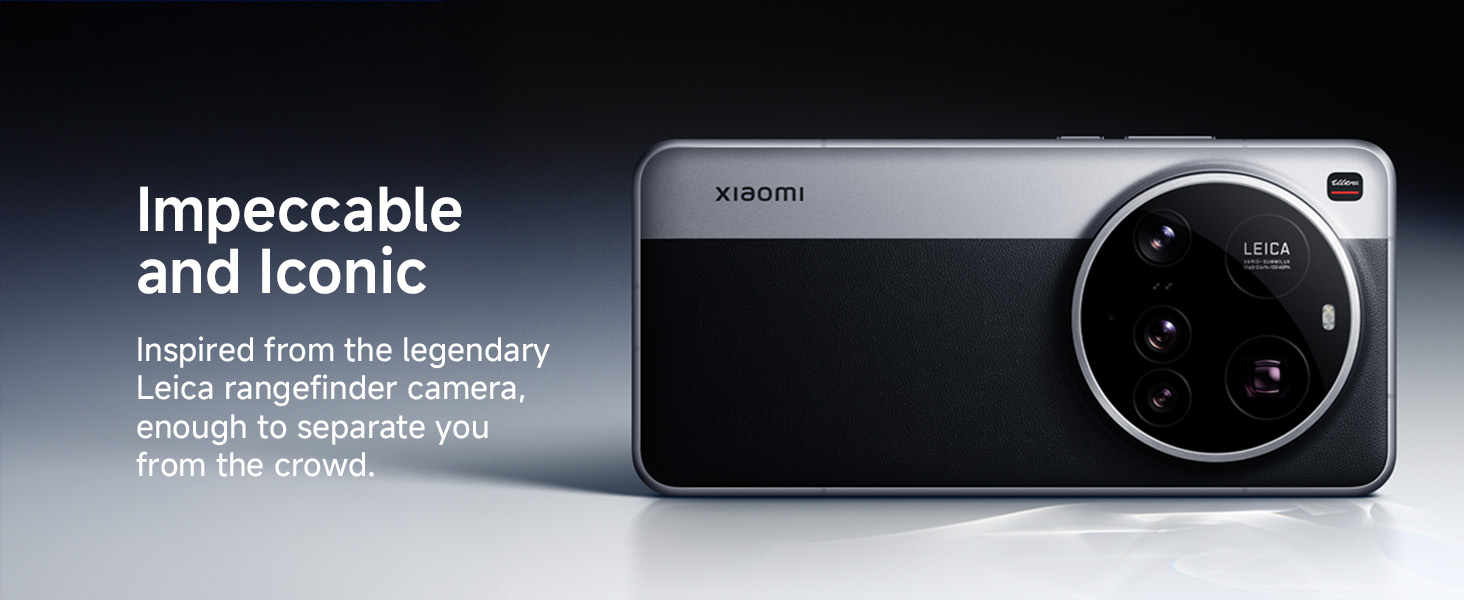
Okay, let’s get into what you’re really paying for with the Xiaomi 15 Ultra. The camera is, without a doubt, the star of the show. Xiaomi is betting big that its camera setup will be enough to sway buyers away from Samsung and Google. The rear panel design screams ‘camera phone,’ and for good reason.
The Xiaomi 15 Ultra’s camera offers the best quality of details, colors and light in its photos, among Android smartphones.
- Excellent balance of contrast.
- Great color shades and details.
- Top-notch fidelity from the optical zoom lens.
The ‘Leica portrait’ mode is a nice touch for those who prefer a low-contrast, neutral color tone. Plus, the ability to record 10-bit Dolby Vision-certified HDR videos gives it some serious filmmaking cred, putting it in the same league as iPhones.
Processor and Performance
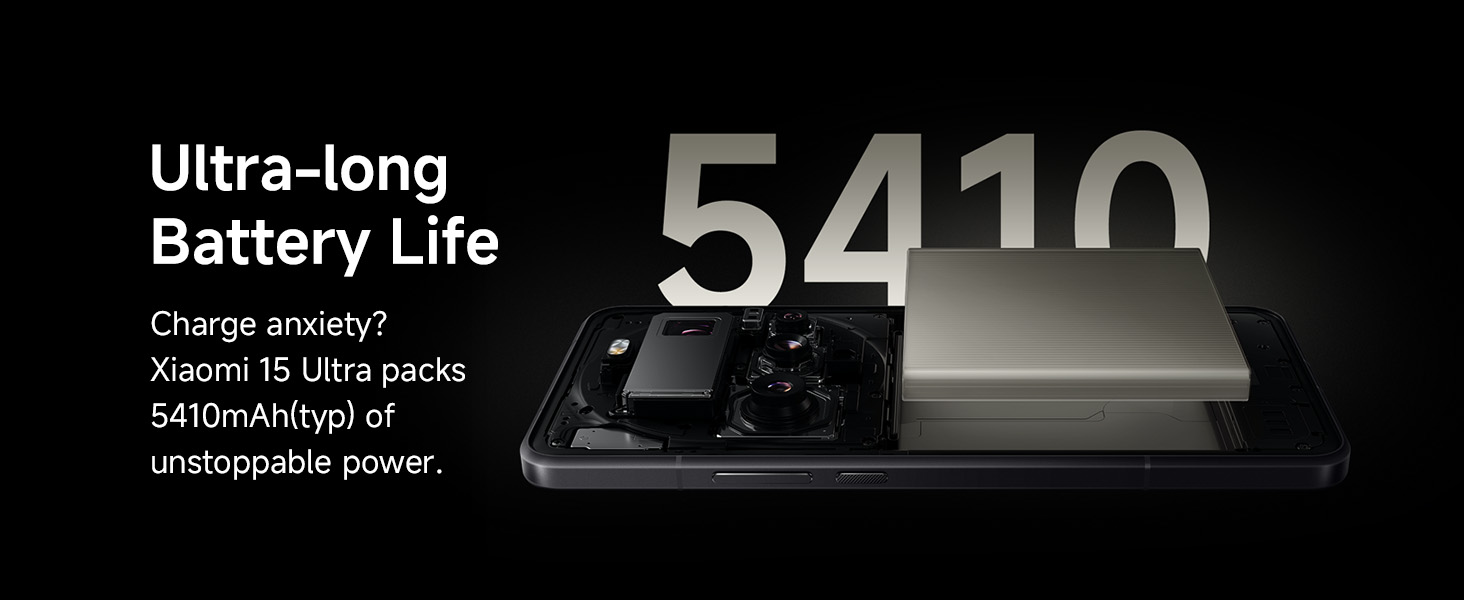
Xiaomi isn’t skimping on the internals either. The Xiaomi 15 Ultra packs the latest 3-nanometer Snapdragon 8 Elite processor. This chip is supposed to be the best you can get in smartphones right now, handling everything from gaming to AI tasks. It also uses the newest memory and storage chips. Xiaomi wants to make sure you know the hardware is top-of-the-line, just like what Samsung and Google are using. It’s all about persuading you that you’re not missing out on anything when it comes to raw power.
Design and Build Quality
Design-wise, the Xiaomi 15 Ultra is definitely making a statement. That massive, circular camera module on the back? It’s hard to miss. It’s got that Leica branding front and center. People seem to either love it or hate it. Younger, tech-savvy folks seem drawn to it, while corporate types are less impressed. One practical thing: the camera module is centrally aligned, so the phone doesn’t wobble when you use it on a table. That’s a nice touch. The build quality feels solid, but the software experience might be a sticking point for some.
Market Competition And Its Impact On Pricing
The smartphone market is a battlefield, and the Xiaomi 15 Ultra is entering a very crowded space. To really understand its price, we need to look at who it’s fighting with and how those fights affect what we pay.
Comparison With Samsung Galaxy S Series
Samsung’s Galaxy S series has been a top dog for years. They’ve got the brand recognition, the features, and the marketing muscle. Xiaomi needs to undercut Samsung or offer something significantly better to pull buyers away. It’s a tough spot to be in, and it directly impacts how Xiaomi prices its phones. If they go too high, people will just stick with what they know.
Position Against Google Pixel
Google’s Pixel phones are known for their amazing cameras and clean software. They don’t always have the flashiest specs, but they deliver a great user experience. Xiaomi has to decide if they want to compete head-to-head on camera quality or try to win on other features like battery life or screen tech. The Pixel’s pricing sets a benchmark that Xiaomi needs to consider.
Xiaomi’s Strategy Against OnePlus
OnePlus used to be the king of “flagship killers,” offering high-end specs at lower prices. They’ve moved upmarket a bit, but they still represent a challenge to Xiaomi. Xiaomi needs to show that the 15 Ultra offers more value than a OnePlus phone, whether that’s through better features, a more premium design, or a lower price. It’s a balancing act, and the competition with OnePlus is a key factor in Xiaomi’s pricing strategy.
Xiaomi has been trying to change its image from a budget brand to a premium one. This is a difficult task, as consumers often associate Xiaomi with lower prices. To succeed, Xiaomi needs to convince consumers that its phones are worth the higher price tag.
Here’s a quick look at how these brands stack up in consumer perception:
- Samsung: Trusted, reliable, feature-rich
- Google: Camera king, clean software, quick updates
- OnePlus: Fast performance, good value, community-focused
- Xiaomi: Innovative, feature-packed, price-conscious
Consumer Expectations In The Premium Segment
Brand Loyalty Factors
Brand loyalty in the premium smartphone market is a complex beast. It’s not just about specs; it’s about the whole ecosystem. People who’ve had good experiences with a brand are way more likely to stick with it. Think about it: if your last Xiaomi phone was awesome, you’re probably eyeing the Xiaomi 15 Ultra. But if you’ve been burned before, you might jump ship to Samsung or Google. It’s all about trust and past performance. Xiaomi has been trying to build that trust, especially in the premium space, where they haven’t always been the first choice. They’ve been seen as a value-first pick, and now they’re trying to change that perception. Brand perception is key, and Xiaomi is working hard to build brand weightage in the premium segment.
User Experience Considerations
User experience is king in the premium segment. It’s not enough to have top-of-the-line hardware; the software needs to be smooth, intuitive, and bug-free. People paying a premium expect a premium experience, and that includes everything from the initial setup to daily use. Xiaomi’s MIUI has its fans, but it’s also been criticized for bloatware and inconsistencies. If the Xiaomi 15 Ultra wants to compete with the big boys, it needs to nail the user experience. That means a clean, responsive interface, timely updates, and a commitment to fixing bugs quickly. It’s about making the phone feel like a seamless extension of the user’s life, not a source of frustration.
Social Validation Through Technology
In the premium segment, smartphones aren’t just tools; they’re status symbols. People want to be seen with the latest and greatest technology, and they want their phones to reflect their personal style and values. The Xiaomi 15 Ultra, with its cutting-edge specs and unique design, definitely has the potential to turn heads. But it also needs to deliver on its promises. If the camera isn’t as good as advertised, or if the performance is buggy, the social validation factor goes out the window. It’s about having a phone that not only looks good but also performs flawlessly in real-world situations. Social validation is a big driver in the premium market, and Xiaomi needs to make sure the 15 Ultra lives up to the hype.
People buying premium phones aren’t just looking for features; they’re looking for an experience. They want a phone that makes them feel good, that reflects their personality, and that performs flawlessly. It’s a holistic package, and Xiaomi needs to deliver on all fronts if they want the 15 Ultra to be a success.
Here’s a quick look at what premium users generally expect:
- Top-tier performance
- Exceptional camera quality
- Premium design and build
- Seamless user experience
- Timely software updates
Long-Term Investment Considerations
Smartphones aren’t cheap, especially when you’re looking at premium models like the Xiaomi 15 Ultra. So, it’s important to think about the phone as more than just a gadget; it’s an investment. What will you get out of it in the long run? Let’s break it down.
Resale Value Analysis
Okay, let’s be real. Smartphones don’t exactly hold their value like gold bars. But some brands do better than others. When it comes to Xiaomi, the resale value can be a bit tricky. It often depends on the phone’s condition, how popular the model was, and what the market is like when you decide to sell. Generally, expect a significant drop from the original price, but taking good care of your phone can help you get a better price when you decide to upgrade. You can check out used phone prices to get an idea.
Software Updates and Longevity
This is a big one. A phone with great specs today might feel sluggish in a couple of years if the software isn’t kept up to date. Xiaomi’s track record with software updates has been improving, but it’s still something to consider. Ideally, you want a phone that will get updates for at least three to four years. This not only keeps your phone running smoothly but also protects it from security threats.
Future-Proofing Through Specifications
Nobody wants to buy a new phone only to find out it’s outdated in a year. So, think about future-proofing. This means looking at things like:
- Processor: Is it powerful enough to handle future apps and games?
- RAM: Will 8GB or 12GB be enough in a few years?
- Storage: Are you likely to need more than 256GB?
- 5G: Does it support all the 5G bands you might need?
Buying a phone with slightly higher specs than you currently need can help ensure it stays relevant for longer. It’s about anticipating your future needs, not just what you need right now.
It’s a balancing act between getting the best value for your money and making sure your phone doesn’t become obsolete too quickly. Think about how you use your phone and what your needs might be in the coming years.
Expert Reviews And Consumer Feedback
Critical Reception of Camera Performance
Okay, so what are people actually saying about the Xiaomi 15 Ultra’s camera? Well, it’s a mixed bag. Some reviewers are absolutely raving about the image quality, especially in good lighting. They’re highlighting the detail and color accuracy. But others? They’re not quite as impressed. Some are saying that while the hardware is top-notch, the software processing can be a bit hit or miss. It seems like camera performance is really dependent on the specific shooting conditions and what you’re trying to capture.
Software Usability Insights
Software is always a tricky one, right? You can have the best hardware in the world, but if the software is clunky or unintuitive, it can ruin the whole experience. And that seems to be a bit of a concern with the Xiaomi 15 Ultra. Some users are complaining about the amount of bloatware that comes pre-installed. Others are finding the user interface a little overwhelming. It’s not necessarily bad, but it’s not as clean and streamlined as some of the competition.
- Too many pre-installed apps.
- The UI can feel cluttered.
- Occasional lag or stuttering.
Overall User Satisfaction Ratings
So, putting it all together, what’s the overall vibe? Well, it seems like most people are pretty happy with the Xiaomi 15 Ultra. They love the design, the performance, and especially the camera. But there are definitely some pain points, particularly around the software experience. It’s not a perfect phone, but it’s a strong contender, especially if you’re a fan of Xiaomi’s hardware. User satisfaction ratings are generally high, but the software experience is a recurring theme in negative feedback. It seems like Xiaomi needs to focus on refining its software to really take the 15 Ultra to the next level.
The general consensus is that the Xiaomi 15 Ultra is a powerful phone with a great camera, but the software needs some work. If you’re willing to put up with a few quirks, it’s a solid choice. But if you’re looking for a seamless, polished experience, you might want to consider other options.
Conclusion: Is The Xiaomi 15 Ultra Worth The Investment?
Cost-Benefit Analysis
Okay, so let’s break it down. Is the Xiaomi 15 Ultra worth your hard-earned cash? It really depends on what you’re after. The phone packs a serious punch with its top-tier processor and that eye-catching camera setup. But, you’ve got to weigh that against the price tag and what else is out there. Are you mainly after the best possible camera? Or is overall performance and software experience more important? These are the questions you need to ask yourself.
Final Recommendations
If you’re a camera enthusiast and want something different from the usual Samsung or Google offerings, the Xiaomi 15 Ultra could be a good fit. Its camera capabilities are definitely a standout feature. However, if you prioritize a polished software experience and a well-established brand, you might want to consider alternatives. Think about what features you value most and how much you’re willing to spend to get them. For those considering a more budget-friendly option, comparing the Pixel 9a and iPhone 16e might be worthwhile.
Future Trends in Smartphone Pricing
Smartphone pricing is only going to get more interesting. We’re seeing a push for better components, especially in camera tech and processing power, which naturally drives up costs. At the same time, there’s increasing pressure from consumers who want value for money. Expect to see more brands trying to find that sweet spot between premium features and affordable prices. Also, keep an eye on how software and AI integration impact pricing strategies. It’s a constantly evolving landscape.
The smartphone market is becoming increasingly competitive, with manufacturers constantly pushing the boundaries of innovation. This competition is likely to lead to more diverse pricing strategies, catering to a wider range of consumer needs and preferences. Consumers should stay informed about the latest trends and carefully evaluate their individual requirements before making a purchase decision.
Here are some trends to watch:
- Increased focus on computational photography.
- More flexible subscription models for premium features.
- Greater emphasis on sustainable and eco-friendly materials.
Final Thoughts on the Xiaomi 15 Ultra Investment
In summary, the Xiaomi 15 Ultra presents a compelling case for those seeking a high-end smartphone, particularly due to its impressive camera capabilities. However, when considering the price tag, potential buyers must weigh the overall user experience against competitors like Samsung and Google. While the hardware is top-notch, the software experience leaves room for improvement. If you prioritize camera performance and are willing to overlook some software quirks, this phone might be worth your investment. But if you seek a more polished and cohesive experience, you may want to explore other options in the premium smartphone market.
Frequently Asked Questions
What is the price of the Xiaomi 15 Ultra in 2025?
The Xiaomi 15 Ultra is priced at around ₹100,000, making it a premium smartphone.
How does the Xiaomi 15 Ultra compare to other flagship phones?
It competes with other high-end phones like the Samsung Galaxy S series and Google Pixel, but it stands out mainly for its camera features.
What are the main features of the Xiaomi 15 Ultra?
The phone boasts an impressive camera system, a powerful Snapdragon 8 Elite processor, and a sleek design.
Is the camera performance of the Xiaomi 15 Ultra worth the price?
Yes, many reviews highlight its camera as one of the best in the market, which adds to its value.
How does Xiaomi’s brand reputation affect the Xiaomi 15 Ultra’s sales?
Xiaomi is known for offering good value for money, but it struggles to gain traction in the premium segment against established brands.
Will the Xiaomi 15 Ultra receive software updates in the future?
Yes, Xiaomi generally provides software updates for its flagship models, which helps in keeping the phone relevant for a longer period.
About the Author: Elena Gillbert

Disclaimer
Techizta publishes content submitted by third-party agencies, partners, and clients. Any such posts are categorized and tagged accordingly:
- Sponsored Content: Posts labeled as "Sponsored" are paid placements submitted by third-party agencies or clients. Techizta does not endorse or express any views regarding the information contained in these posts. The opinions expressed belong solely to the respective authors and do not reflect the official policy or position of Techizta.
- Press Releases: Posts labeled as "Press Release" are paid PR submissions provided by our partners and clients. These are published as received and should be considered as promotional content.
The information provided in such posts is strictly for informational purposes only and should not be interpreted as buying recommendation, or professional advice. Techizta does not recommend, endorse, or promote any specific products, services, or companies mentioned. Readers are strongly encouraged to conduct independent research and consult with a qualified professional before making any decisions.
Additionally, all featured images accompanying such posts are intended as creative depictions of the subject matter. There is no intent to offend or misrepresent any individual, institution, or entity. If any content or imagery is found to be objectionable, please reach out to us at [email protected], and we will promptly review the concern.



Get Smart Insights In Inbox
Stay ahead of the curve with expert analysis and latest smart tech updates.