

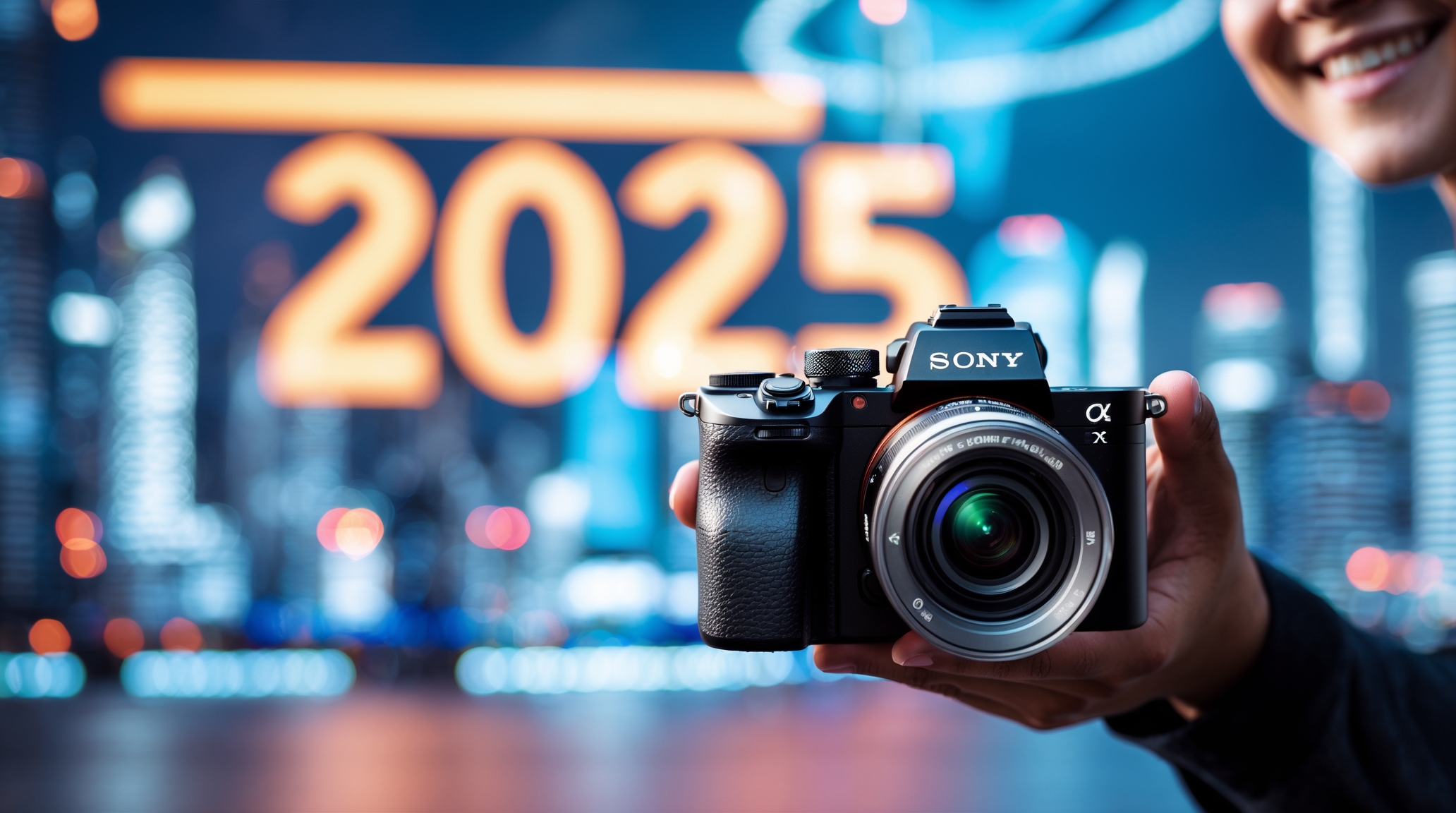
Is the Sony A6400 Still Worth It in 2025? Full Review + Surprising Results!
In 2025, the Sony A6400 continues to impress photographers and videographers alike. Even though it debuted back in early 2019, its features still hold up against newer models. This article takes a closer look at what makes the A6400 a solid choice for various types of photography and video work, and whether it’s still worth your investment today.
Key Specifications Of The Sony A6400
The Sony a6400, even in 2025, remains a relevant and capable camera due to its well-rounded feature set. It’s a great choice for both beginners and experienced users looking for a compact and powerful mirrorless camera. Let’s explore the key specifications that make it stand out.
1. Sensor Resolution and Type
The Sony a6400 boasts a 24.2-megapixel APS-C sensor. This sensor size and resolution strike a good balance, providing ample detail for most photography needs while keeping the camera body compact. The APS-C sensor allows for shallower depth of field compared to smaller sensors found in smartphones, which is great for portraits and isolating subjects. The image quality is generally very good, making it suitable for travel and family photography.
2. Continuous Shooting Capabilities
The a6400 offers impressive continuous shooting speeds, making it suitable for capturing action shots and fast-moving subjects. It can shoot at up to 11 frames per second with continuous autofocus and auto-exposure, ensuring you don’t miss critical moments. This is particularly useful for sports, wildlife, and even capturing candid moments with children or pets. The fast continuous shooting is a big plus.
3. Video Recording Features
The Sony a6400 is a capable video camera, offering 4K UHD video recording at up to 30fps. It also supports Full HD recording at up to 120fps for slow-motion effects. The camera includes features like S-Log profiles for greater dynamic range and color grading flexibility. However, keep in mind that using the flip screen for vlogging might obstruct the microphone or flash. For more advanced video features, you might consider alternatives like the A6600 or A6700. The video recording is quite good.
The Sony a6400 provides a solid foundation for both photography and videography, making it a versatile tool for various creative endeavors. Its specifications, while not the absolute latest, still hold up well in 2025, offering a compelling blend of performance and value.
Image Quality Of The Sony A6400
1. Dynamic Range Performance
Alright, let’s talk about dynamic range. Sony claims the a6400 has excellent dynamic range, but honestly, it’s a bit hit or miss. In ideal lighting, you can pull out some great detail in both shadows and highlights. However, push it too far, and you might find yourself struggling to retain information in tricky lighting situations. It’s not bad, but it’s not mind-blowing either. You might need to play around with manual mode to get the best results.
2. Low Light Capabilities
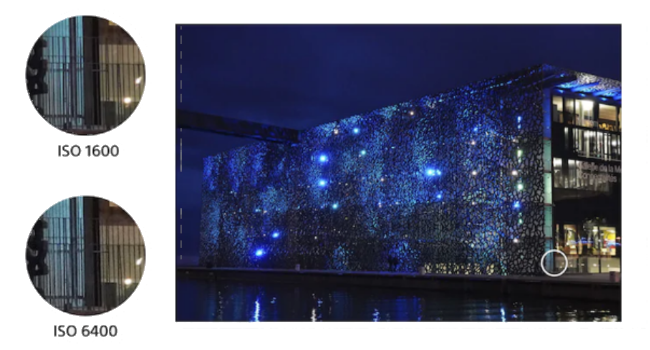
Low light is where the a6400 starts to show its age a little. The ISO range goes up to 32000, expandable to 102400, but anything above ISO 2000 gets pretty noisy. You can still get usable shots, but expect to see some grain.
- Noise becomes noticeable above ISO 2000.
- Image quality degrades significantly at higher ISOs.
- Post-processing noise reduction is often necessary.
Shooting in low light requires careful consideration of ISO settings and potentially the use of fast lenses to maximize light intake. While the a6400 can perform adequately, it’s not its strongest suit, and users should manage expectations accordingly.
3. Color Reproduction and Detail
Color reproduction on the a6400 is generally pretty good. The 24.2-megapixel APS-C sensor captures a decent amount of detail, making it suitable for various photography styles. The perceived sharpness is also a plus, especially if you enjoy shooting distant subjects like wildlife. It’s a solid all-rounder for photography, and the Sony A7R V is a good alternative if you want to upgrade.
Autofocus System Of The Sony A6400
The autofocus system is a major selling point of the Sony a6400. It’s a big upgrade, and something that really sets it apart from other cameras in its class. Let’s break down what makes it so good.
1. Real-Time Eye Autofocus

Sony’s Real-time Eye AF is a game-changer. It’s designed to automatically detect and focus on the eyes of your subject, whether they’re human or animal. This is super useful for portraits and any situation where you want to make sure the eyes are sharp. It makes a real difference in getting consistently in-focus shots, especially when your subject is moving around. It’s always on, which is a huge bonus.
2. Focus Tracking Mechanism
The focus tracking on the a6400 uses algorithms to recognize subjects and keep them in focus as they move through the frame. It’s pretty sticky, meaning once it locks onto a subject, it tends to stay locked, even if the subject turns away or is briefly obscured. This is great for action shots or capturing unpredictable subjects. It’s not perfect, and it can occasionally lose track, but overall, it’s a very reliable system.
3, Phase Detection Points
The a6400 boasts an impressive number of focus points: 425 phase-detection AF points and 425 contrast-detection AF points. This dense coverage means the camera can quickly and accurately focus on subjects across a wide area of the frame. Sony claims a focus acquisition speed of just 0.02 seconds, and in practice, it feels incredibly fast. It covers 84 percent of the image area, which is comparable to some of Sony’s high-end full-frame cameras.
The sheer speed and accuracy of the autofocus system make the a6400 a joy to use. It really lets you concentrate on composition and timing, without having to worry about whether your shots will be in focus. It’s a big reason why so many people love this camera.
User Experience With The Sony A6400
The Sony a6400, even in 2025, continues to offer a compelling user experience, balancing portability with performance. While some aspects might show their age compared to newer models, the camera remains a capable tool for various photography and videography needs. Let’s take a closer look at what it’s like to use the a6400 in day-to-day scenarios.
1. Ergonomics and Build Quality
The a6400 strikes a good balance between size and usability. Its compact and lightweight design makes it an excellent choice for travel and everyday carry. The grip is reasonably comfortable, even for single-handed shooting. The body feels sturdy enough to withstand regular use, and it even boasts some weather sealing, which is a nice bonus. However, some users might find the buttons and dials a bit cramped, especially if they have larger hands. The placement of the controls is generally intuitive for experienced Sony users, but newcomers might need some time to adjust. The Alpha mirrorless range is quite popular.
2. Menu Navigation and Usability
Sony’s menu system has often been a point of contention among users, and the a6400 is no exception. While it offers a wealth of customization options, the sheer number of settings and submenus can be overwhelming. Finding specific settings can sometimes feel like a treasure hunt. However, once you become familiar with the layout, it becomes more manageable. Customizing the function buttons can also help streamline the shooting process. The touch screen functionality is somewhat limited, which can be frustrating for users accustomed to more responsive touch interfaces. It’s worth mentioning the NP-FW50 battery.
3. Screen Functionality and Limitations
The a6400 features a flip-up screen, which is particularly useful for vlogging and self-portraits. However, the implementation isn’t perfect. The screen flips up above the camera, which can be problematic when using accessories like external microphones mounted on the hot shoe. The resolution and brightness of the screen are adequate for most situations, but it can be difficult to see in bright sunlight. The electronic viewfinder (EVF) is a decent alternative, but it’s not the highest resolution or magnification by today’s standards. Overall, the screen is functional, but it has some limitations that users should be aware of.
Despite some quirks, the Sony a6400 offers a generally positive user experience. Its compact size, robust build quality, and customizable controls make it a versatile tool for photographers and videographers of all levels. While the menu system and screen functionality could be improved, these are minor drawbacks compared to the camera’s overall capabilities.
Here’s a quick summary of pros and cons:
- Pros:
- Compact and lightweight design
- Weather-sealed body
- Flip-up screen for vlogging
- Cons:
- Complex menu system
- Limited touch screen functionality
- Screen visibility in bright sunlight
Comparative Value Of The Sony A6400
1. Market Position Among Competitors
In 2025, the Sony A6400 occupies an interesting space in the camera market. While newer models with advanced features have emerged, the A6400 remains a strong contender, especially for users seeking a balance of performance and affordability. It’s positioned against other mid-range APS-C cameras from brands like Canon, Fujifilm, and Nikon. The A6400’s strengths, such as its real-time autofocus and solid image quality, keep it relevant. Gamers looking for a console might consider the upcoming Xbox and PlayStation exclusives before making a purchase.
2. Price Analysis Over Time
The price of the Sony A6400 has naturally shifted since its initial release. Originally positioned as a mid-range option, its price has decreased, making it an even more attractive option for budget-conscious photographers and videographers. Here’s a rough estimate of how the price has changed:
- Original MSRP (Launch Year): $900 (body only)
- 2023: $800 (body only)
- 2024: $750 (body only)
- 2025 (Current): $700 (body only) – Prices may vary based on retailer and promotions.
This downward trend enhances its value proposition, especially when compared to newer models with incremental upgrades. The [Sony a6400 used] price is even more attractive.
3. Used vs. New Purchase Considerations
Deciding between a used and new Sony A6400 involves weighing cost savings against potential risks. A new A6400 offers the peace of mind of a full warranty and pristine condition. However, a used A6400, if purchased from a reputable source, can save a significant amount of money. It’s important to carefully inspect a used camera for any signs of wear and tear, and to check the shutter count to gauge its usage.
Consider these factors when deciding: Budget: How much are you willing to spend? Warranty: Is a warranty important to you? Condition: Are you comfortable with minor cosmetic imperfections? Source: Are you buying from a trusted seller with a return policy?
Recommended Accessories For The Sony A6400
1. Lenses for Various Photography Styles
Choosing the right lens can really open up what you can do with your Sony a6400. For everyday shooting, a versatile zoom lens like the Sony A6400 with E PZ 16-50mm F/3.5-5.6 OSS lens kit is a solid choice. If you’re into portraits, a fast prime lens around 35mm or 50mm will give you that nice blurry background. Landscape photographers might want to consider an ultra-wide-angle lens to capture those sweeping vistas. Don’t forget about macro lenses for getting super close-up shots of tiny subjects. The lens selection is key to maximizing the camera’s potential.
2. Tripods and Stabilizers
For landscape photography, or any situation where you need to keep the camera perfectly still, a good tripod is a must. Look for one that’s sturdy but also lightweight enough to carry around. If you’re shooting video, a stabilizer or gimbal can help you get smooth, professional-looking footage. Here’s a quick rundown:
- Tripods: Essential for sharp, blur-free images in low light or when using long exposures.
- Gimbals: Ideal for smooth video recording while moving.
- Monopods: A good compromise between stability and portability.
3. External Microphones and Lighting
If you’re planning on using your a6400 for vlogging or any kind of video work where sound quality is important, an external microphone is a must-have. The built-in microphone is okay for casual use, but it won’t cut it for professional-sounding audio. There are a bunch of different options out there, from shotgun mics that attach to the camera’s hot shoe to lavalier mics that you can clip to your shirt. Also, consider adding an external flash. Shooting with the LCD flipped forward in selfie mode you can add a mic or flash, but this obscures the screen.
Good lighting can make a huge difference in the quality of your videos and photos. An external flash can help you brighten up your subjects and reduce shadows. There are also LED lights that are great for video because they provide continuous illumination.
Practical Applications Of The Sony A6400
The Sony a6400, even in 2025, remains a versatile tool for various photographic and videographic endeavors. Its compact size, robust autofocus, and impressive image quality make it suitable for both amateur and experienced creators. Let’s explore some specific use cases where the a6400 truly shines.
1. Street Photography
The a6400’s compact form factor is a major advantage for street photography. It’s discreet and doesn’t attract unwanted attention, allowing photographers to capture candid moments without disrupting the scene. The fast autofocus system, including Real-time Eye AF, ensures that subjects are sharp, even in dynamic street environments. The ability to quickly adjust settings and the camera’s responsiveness are also crucial for capturing fleeting moments. It’s easy to carry around all day, which is a big plus when you’re walking around exploring a city.
2. Travel and Landscape Photography
For travel and landscape photography, the a6400 offers a compelling blend of portability and performance. Its APS-C sensor delivers excellent image quality with ample detail and dynamic range, allowing for stunning landscape shots. The camera’s relatively small size and weight make it easy to pack and carry on long trips. Plus, with a versatile lens like the Sony E 16-55mm F/2.8 G E Mount Lens, you can cover a wide range of focal lengths, from wide-angle landscapes to tighter compositions. The a6400 is a great travel companion because it’s not too bulky and takes great photos.
3. Vlogging and Content Creation
The Sony a6400 is a popular choice for vlogging and content creation, thanks to its combination of video features and user-friendly design. It can record high-quality 4K video, and the flip-up screen allows vloggers to easily monitor themselves while recording. The Real-time Eye AF is also beneficial for keeping the subject in focus, even when they’re moving around. The camera’s compact size makes it easy to mount on a gimbal or carry around for on-the-go shooting. Plus, the ability to charge the NP-FW50 battery via USB is super convenient for long shooting sessions.
The a6400’s combination of features, size, and price point make it a compelling option for content creators looking for a versatile and reliable camera. It’s not the newest camera on the market, but it still holds its own against newer models, especially when you consider the value it offers.
Final Thoughts on the Sony A6400
In conclusion, the Sony A6400 continues to hold its ground in 2025 as a reliable choice for both photography and videography. Its combination of a solid 24MP sensor, fast autofocus, and 4K video capabilities make it a versatile tool for various shooting scenarios. While it may lack some modern features found in newer models, its performance and image quality remain impressive. For those seeking a capable mirrorless camera without breaking the bank, the A6400 is still worth considering, whether new or used. Ultimately, it offers a great balance of features and value, making it a smart option for enthusiasts and casual shooters alike.
Frequently Asked Questions
What are the main features of the Sony A6400?
The Sony A6400 has a 24MP APS-C sensor, can shoot 11 frames per second, and records 4K video. It also has a flip screen and advanced autofocus.
How does the image quality of the A6400 compare to newer models?
While the A6400 offers great image quality, newer models may have improved features, but it still performs well for travel and family photos.
Is the autofocus system effective?
Yes! The A6400 has real-time eye autofocus and reliable tracking, making it great for capturing moving subjects.
Is the A6400 good for beginners?
Absolutely! The A6400 is user-friendly, making it a solid choice for those new to photography.
What is the price range for the Sony A6400?
The price varies, but you can find it new for around $699, and used models can be even cheaper.
What accessories should I consider for the A6400?
Good accessories include lenses for different styles, tripods for stability, and external mics for better audio.
About the Author: Editor's Desk

Disclaimer
Techizta publishes content submitted by third-party agencies, partners, and clients. Any such posts are categorized and tagged accordingly:
- Sponsored Content: Posts labeled as "Sponsored" are paid placements submitted by third-party agencies or clients. Techizta does not endorse or express any views regarding the information contained in these posts. The opinions expressed belong solely to the respective authors and do not reflect the official policy or position of Techizta.
- Press Releases: Posts labeled as "Press Release" are paid PR submissions provided by our partners and clients. These are published as received and should be considered as promotional content.
The information provided in such posts is strictly for informational purposes only and should not be interpreted as buying recommendation, or professional advice. Techizta does not recommend, endorse, or promote any specific products, services, or companies mentioned. Readers are strongly encouraged to conduct independent research and consult with a qualified professional before making any decisions.
Additionally, all featured images accompanying such posts are intended as creative depictions of the subject matter. There is no intent to offend or misrepresent any individual, institution, or entity. If any content or imagery is found to be objectionable, please reach out to us at [email protected], and we will promptly review the concern.




Get Smart Insights In Inbox
Stay ahead of the curve with expert analysis and latest smart tech updates.
