


An OTT Nightmare – 5.6 Million Netflix Accounts Hacked !
Netflix account hacks have skyrocketed in 2025, with 5.6+ million accounts compromised in 2024, making it the most targeted streaming platform, according to Kaspersky’s latest report. Cybercriminals are exploiting Gen Z’s streaming obsession through phishing scams, malware, and fake links, stealing credentials to fuel a dark web market for Netflix accounts. This isn’t just a Netflix problem but at an OTT level with Disney+ (680,850 breached accounts) and Amazon Prime Video (1,607) facing similar attacks. This highlights a broader streaming security crisis. With over 7 million streaming accounts hacked, it’s urgent to change your Netflix password now.
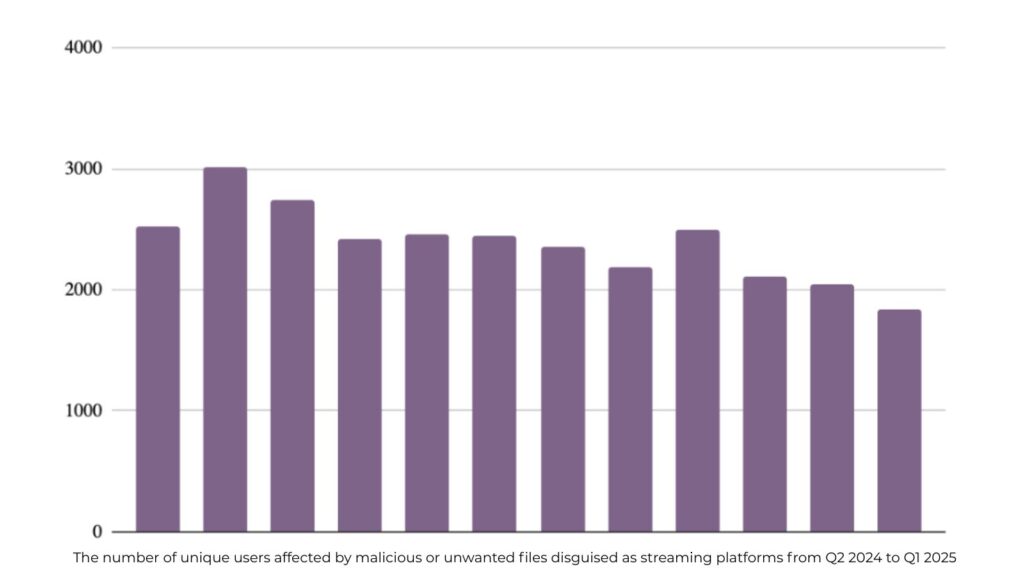
Source: Kaspersky
The Scale of Netflix Account Hacks
Kaspersky’s report, covering Q2 2024 to Q1 2025, identifies Netflix as the epicenter of streaming hacks, with 5.6 million accounts breached via user-side attacks, not platform vulnerabilities. Cybercriminals use:
-
Phishing Scams: Over 2.8 million fake Netflix login pages, often disguised as “free trial” emails or social media ads, trick users into sharing credentials
-
Malware-Laden Downloads: Pirated content or unofficial apps promising “leaked” shows deliver malware, stealing logins and payment details.
-
Credential Stuffing: Hackers exploit credentials from unrelated breaches to access Netflix accounts, capitalizing on password reuse, which accounts for 60% of breaches.
-
Social Engineering: Fake links for “exclusive” content, like early Stranger Things or Shrek 5 episodes, surged attacks to 36,000 in March 2025, doubling 2024’s monthly average.
Stolen Netflix accounts are sold for as little as $1 on dark web forums, risking your payment information and personal data. Posts on X warn of leaked Netflix credentials circulating online, though these claims are unverified and inconclusive.
With Netflix’s 65% Gen Z engagement rate – higher than any streaming platform, its popularity makes it a hacker’s goldmine.
Related Streaming Hacks
Netflix isn’t alone in this cyber onslaught. Data reveals significant breaches across other platforms:
-
Disney+: 680,850 accounts compromised, driven by phishing campaigns mimicking subscription renewals, with 12,345 attack attempts in Q1 2025.
-
Amazon Prime Video: 1,607 accounts breached, often via malware embedded in fake “Prime exclusive” movie links
-
HBO Max and Hulu: While less targeted, these platforms saw 10,000+ combined attacks, particularly around high-profile releases like Dune: Prophecy
These hacks share common tactics – phishing pages, malware in pirated content, and credential stuffing. For example, Disney+ users faced fake login portals after Mufasa: The Lion King hype, while Amazon Prime Video saw spikes during The Rings of Power season releases. The 7 million total streaming account breaches in 2024 underscore a systemic vulnerability, amplified by Gen Z’s 81% daily social media use and 65% anime engagement, which hackers exploit via fan-shared clips or fake merch stores.
Read More: PS Plus Games Coming This June
How to Detect a Compromised Netflix Account
Spotting a hacked Netflix account early can prevent further damage. Look for these signs:
-
Unfamiliar Activity: Check “Viewing Activity” in your Netflix account settings for shows or movies you didn’t watch, like foreign-language titles or genres you avoid.
-
Unknown Devices: Review “Access and Devices” for unrecognized logins, such as a device in another country or an unfamiliar IP address.
-
Account Changes: Look for altered email addresses, phone numbers, or payment methods in your account settings, indicating unauthorized access.
-
Login Alerts: Unexpected “new device” emails from Netflix or failed login attempts suggest someone is trying to access your account. Probably a good idea to activate necessary notifications from Netflix for this very purpose.
-
Performance Issues: Slow streaming or app glitches may indicate malware on your device, often linked to credential theft.
If you notice any of these, act immediately. Change your password, sign out of all devices, and contact Netflix support.
Protecting Your Netflix Account
Herw are definitive steps to secure your Netflix account:
-
Change Your Password: Create a strong, unique password (12+ characters, mixing letters, numbers, symbols). Update it via Netflix’s account settings and select “Sign out of all devices” to evict hackers.
-
Enable Two-Factor Authentication (2FA): Netflix lacks native 2FA, so secure your linked email with 2FA (e.g., Gmail, Outlook) to block unauthorized logins.
-
Avoid Phishing Links: Don’t click “free trial” or “exclusive content” links in emails or social media. Verify URLs start with “netflix.com.”
-
Install Antivirus Software: Use trusted tools to detect malware in downloads or apps.
-
Check for Breaches: Regularly monitor Have I Been Pwned for leaked credentials and update affected accounts.
-
Skip Pirated Content: Avoid unofficial apps or pirated downloads, which triggered thousands of malware infections.
-
Monitor Account Activity: Routinely check “Viewing Activity” and “Access and Devices” for anomalies. Report issues to Netflix support immediately.
These steps are critical, as 60% of users fail to update passwords post-breach.
Streaming Cybersecurity in 2025
This crisis extends beyond individual accounts. Stolen credentials fuel identity theft, financial fraud, and broader data breaches, as users reuse passwords across platforms. The dark web’s $1 Netflix accounts create a vicious cycle, with hackers reinvesting profits into more sophisticated attacks. Streaming platforms face pressure to enhance security, but user vigilance remains key. Gen Z’s 81% social media engagement amplifies risks, with hackers embedding malware in TikTok clips or Reddit threads.
The industry is responding by taking necessary measures too – Netflix encourages password updates, while Disney+ and Amazon Prime Video push security alerts.
About the Author: Aditi Sharma

Disclaimer
Techizta publishes content submitted by third-party agencies, partners, and clients. Any such posts are categorized and tagged accordingly:
- Sponsored Content: Posts labeled as "Sponsored" are paid placements submitted by third-party agencies or clients. Techizta does not endorse or express any views regarding the information contained in these posts. The opinions expressed belong solely to the respective authors and do not reflect the official policy or position of Techizta.
- Press Releases: Posts labeled as "Press Release" are paid PR submissions provided by our partners and clients. These are published as received and should be considered as promotional content.
The information provided in such posts is strictly for informational purposes only and should not be interpreted as buying recommendation, or professional advice. Techizta does not recommend, endorse, or promote any specific products, services, or companies mentioned. Readers are strongly encouraged to conduct independent research and consult with a qualified professional before making any decisions.
Additionally, all featured images accompanying such posts are intended as creative depictions of the subject matter. There is no intent to offend or misrepresent any individual, institution, or entity. If any content or imagery is found to be objectionable, please reach out to us at [email protected], and we will promptly review the concern.

Get Smart Insights In Inbox
Stay ahead of the curve with expert analysis and latest smart tech updates.
