Google’s Android XR Glasses – Future of AR ?
Google is poised to redefine wearable technology with its Android XR Glasses, an augmented reality (AR) device powered by the Android XR platform and Gemini AI assistant. Announced at Google I/O 2025 and demoed at events like TED2025, these glasses promise to blend digital and physical worlds with features like in-lens displays, real-time translation, and contextual AI assistance. Developed in collaboration with partners like Samsung, Warby Parker, Gentle Monster, and Xreal, the Android XR Glasses are expected to launch in 2026. Here’s a deep dive into their features, partnerships, and potential to reshape how we interact with technology. Here’s a demo:
Introducing Android XR, our new platform for headsets and glasses built for the Gemini era pic.twitter.com/CBLaFGUwez
— Google (@Google) December 12, 2024
Google’s Android XR Glasses are lightweight, stylish AR wearables designed to enhance everyday tasks through augmented reality and AI. Unlike Google Glass (2013), which faced privacy concerns and limited adoption, these glasses leverage Google’s advancements in Gemini AI and the Android XR operating system, co-developed with Samsung. They aim to deliver seamless integration with Android devices, offering features like heads-up navigation, visual memory, and app access. The glasses are positioned as a competitor to Meta’s RayBan Smart Glasses and Apple’s rumored AR specs, with a focus on practical, AI-driven functionality.
Key Features:
Based on Google I/O 2025 demos, the Android XR Glasses offer:
-
In-Lens Display: Raxium’s microLED technology provides a monocular or binocular display for glanceable information like notifications, maps, or app interfaces, with a rumored 70-degree field of view for immersive visuals.
-
Gemini AI Integration: The glasses use Gemini AI for real-time tasks, such as translating Farsi to English during conversations (demoed at TED2025) or answering queries like “Where’s my key card?” by recalling visual data.
-
Camera and Sensors: A built-in camera, microphones, and speakers enable visual memory (e.g., identifying a book title from a past photo) and gesture-based controls, per Android’s blog.
-
App Ecosystem: The glasses support Google Play apps like YouTube, Google Photos, and Chrome, with multi-window browsing and Circle to Search for instant object recognition.
-
Lightweight Design: Partnerships with Warby Parker and Gentle Monster ensure stylish, comfortable frames suitable for all-day wear, unlike bulkier mixed reality headsets.
-
Phone Tethering: The glasses connect to Android phones for processing power, reducing weight and cost, though a standalone mode is rumored for future iterations.
While Google has confirmed these core features, some capabilities, like the exact field of view or standalone processing, remain speculative pending official release details.
The Android XR Glasses are designed for practical, real-world applications, leveraging Gemini AI and AR to enhance:
-
Navigation: Heads-up directions via Google Maps, with AR overlays guiding users through unfamiliar cities, as demoed at Google I/O.
-
Communication: Real-time translation for multilingual conversations, ideal for travelers or global professionals.
-
Productivity: Hands-free access to emails, calendars, or Google Docs, with voice or gesture controls for on-the-go multitasking.
-
Entertainment: Virtual screens for watching YouTube or Google TV, or immersive 3D Google Photos viewing
-
Education and Training: AR overlays for interactive learning, such as identifying objects in museums or guiding technical repairs.
These use cases make the glasses a versatile tool for students, professionals, travelers, and tech enthusiasts, rivaling Meta’s Orion AR glasses in functionality.
Competitive Landscape
The Android XR Glasses enter a crowded but a relatively AR market:
-
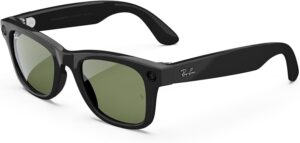
Meta Ray-Ban Smart Glasses ($299–$379): Offer music, calls, and basic AI but lack in-lens displays, per TechRadar. Google’s glasses add AR visuals and deeper app integration.
-
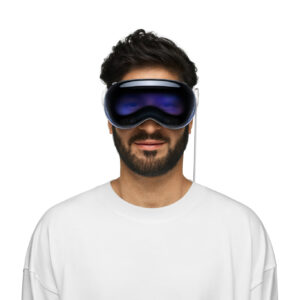
Apple Vision Pro and Rumored AR Glasses: Apple’s Vision Pro ($3,499) is a mixed reality headset, not glasses, but its rumored AR glasses (2026–2027) may compete directly. Google’s earlier launch could give it a market edge
-
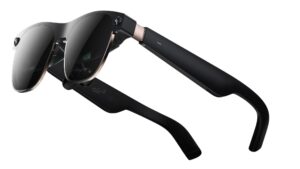
Xreal Air 2 Ultra ($699): Xreal’s existing AR glasses offer similar features, but Android XR’s ecosystem and Gemini AI provide broader app support and AI capabilities. But Xreal has recently teased a new project as well.
Google’s focus on lightweight design, AI integration, and partnerships gives it a unique position, though pricing (rumored $300–$600) will be critical to compete with Meta’s affordable Ray-Ban glasses.
Challenges and Considerations
While promising, the Android XR Glasses face challenges:
-
Privacy Concerns: Like Google Glass, the built-in camera raises privacy issues, though Google emphasizes Gemini’s privacy-first design, per Android’s blog.
-
Battery Life: Rumored 8 to 12 hours of battery life may limit all-day use, especially for AR-intensive tasks.
-
Ecosystem Dependency: Tethering to Android phones may restrict non-Android users, though standalone versions are speculated.
-
Market Adoption: Competing with established players like Meta requires competitive pricing and widespread app support.
Google’s partnerships and AI advancements aim to address these hurdles, building on lessons from Google Glass to ensure broader appeal.
Google has not confirmed an exact release date, but launch is likely, with some speculation of a 2026 debut due to ongoing refinements. The glasses were showcased at Google I/O 2025 (May 14–15), with demos highlighting Gemini AI and AR apps. Samsung’s Haean glasses are expected by late 2025, while Warby Parker and Gentle Monster editions may follow in 2026. Availability is anticipated via Google’s online store, Amazon, and partner retailers, with pricing rumored to start at $300 for basic models and $600 for premium editions like Gentle Monster’s.
The Android XR Glasses represent Google’s bold step into consumer AR, blending fashion, AI, and practicality. Unlike bulky mixed reality headsets, their lightweight design and stylish frames make AR accessible for daily use, from navigating cities to enhancing productivity. With Gemini AI’s contextual intelligence and a robust app ecosystem, the glasses could redefine how we interact with technology, much like smartphones did two decades ago. As Google and its partners refine the hardware and software, Android XR Glasses are poised to lead the next wave of wearable innovation.
About the Author: Aditi Sharma

Disclaimer
Techizta publishes content submitted by third-party agencies, partners, and clients. Any such posts are categorized and tagged accordingly:
- Sponsored Content: Posts labeled as "Sponsored" are paid placements submitted by third-party agencies or clients. Techizta does not endorse or express any views regarding the information contained in these posts. The opinions expressed belong solely to the respective authors and do not reflect the official policy or position of Techizta.
- Press Releases: Posts labeled as "Press Release" are paid PR submissions provided by our partners and clients. These are published as received and should be considered as promotional content.
The information provided in such posts is strictly for informational purposes only and should not be interpreted as buying recommendation, or professional advice. Techizta does not recommend, endorse, or promote any specific products, services, or companies mentioned. Readers are strongly encouraged to conduct independent research and consult with a qualified professional before making any decisions.
Additionally, all featured images accompanying such posts are intended as creative depictions of the subject matter. There is no intent to offend or misrepresent any individual, institution, or entity. If any content or imagery is found to be objectionable, please reach out to us at [email protected], and we will promptly review the concern.



Get Smart Insights In Inbox
Stay ahead of the curve with expert analysis and latest smart tech updates.